
Eat Your Way to Better Hormones: The Best Natural GLP-1 Foods


Want to feel fuller for longer without relying solely on medication? Certain foods can naturally support GLP-1, a hormone that helps regulate appetite, blood sugar, and cravings.
Contents
Many people have seen the wonders of GLP-1 medications like Ozempic and want similar results without the injections. The good news is your body already makes this hormone on its own, and the right food choices can encourage more of it.
We’ll cover the best natural GLP-1 foods, how they work inside your body, and how to build healthy eating habits that keep you satisfied all day long.
What Is GLP-1 and Why Should You Care?
GLP-1 stands for glucagon-like peptide-1. It’s a natural hormone your gut produces after you eat food to trigger insulin release and tell your brain you’re full.
In other words, it’s your body’s built-in appetite brake.
When GLP-1 levels are low, you feel hungry quickly, and blood sugar levels spike and crash more easily. This can drive overeating, weight gain, and poor metabolic health over time.
Thankfully, your diet and daily habits can influence the release of GLP-1 hormone, and this is backed by research.
How to Increase GLP-1 Naturally Through Food
The cells that produce GLP-1, called L-cells, line the walls of your gastrointestinal tract, mostly toward the lower part of your intestine. They sense what you eat and respond accordingly.
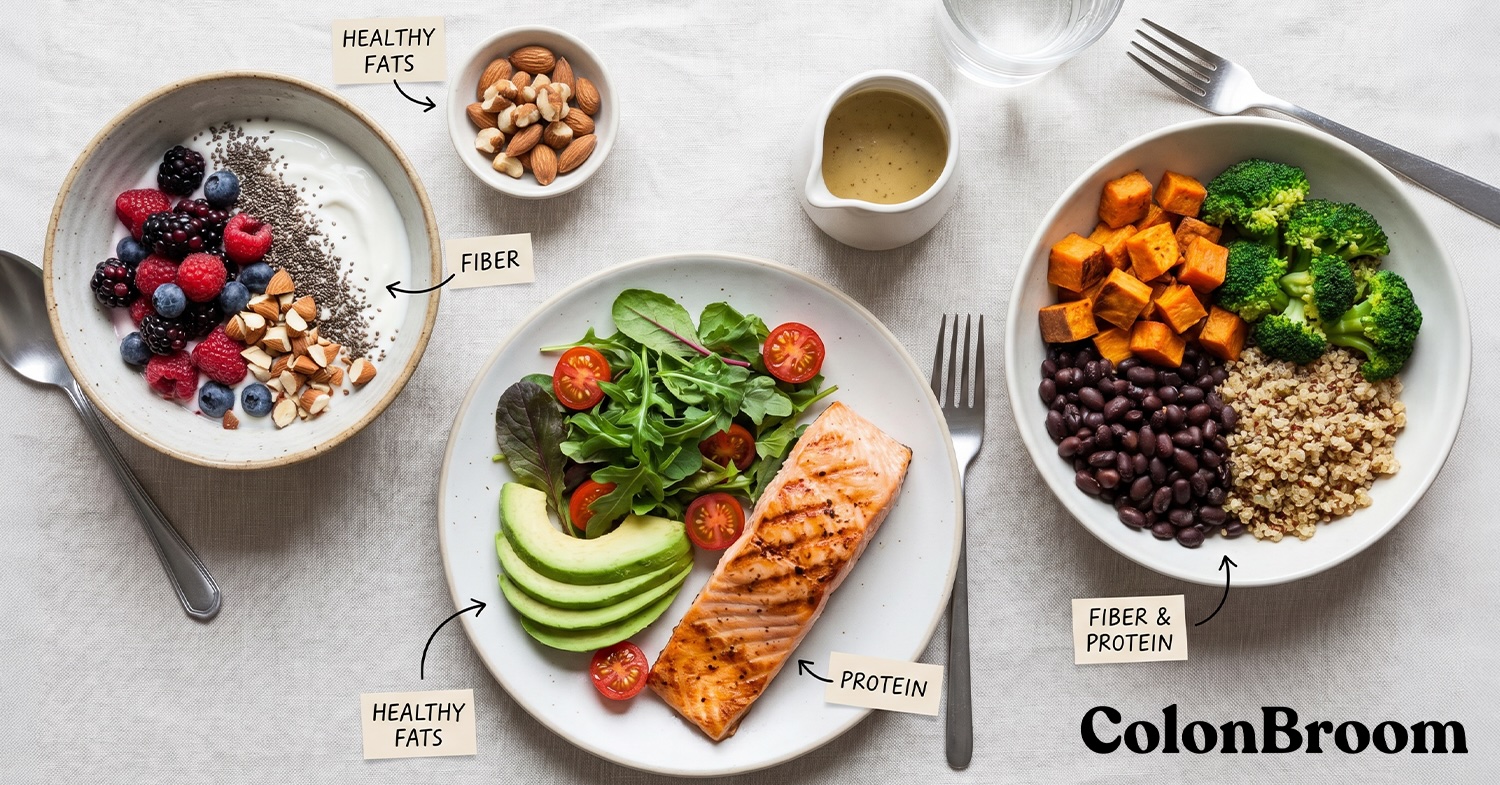
Three types of nutrients most reliably trigger them: protein, healthy fats, and fiber. When balanced meals include all three, the GLP-1 response tends to be stronger and longer-lasting than meals heavy in refined carbohydrate alone.
Research from the Ohio State University also shows that meal timing and eating habits help to activate GLP-1 naturally. Eating slowly, chewing well, and creating a distraction-free eating environment can help your body register fullness before you’ve overeaten. Spending time eating instead of rushing gives your gut a chance to send satiety signals properly.
One practical tip: eating your protein and fat before your carbohydrates at the same meal has been shown in studies to improve GLP-1 output and smooth out blood sugar swings after eating.
High-Fiber Foods: The Foundation of Natural GLP-1 Boosters
If there’s one category of food that does the most for GLP-1, it’s fiber, specifically soluble fiber.
When soluble fiber reaches your gut, it slows digestion and feeds your gut bacteria. Those bacteria ferment it and produce short-chain fatty acids like acetate, propionate, and butyrate. These fatty acids then bind to receptors on your L-cells and directly trigger GLP-1 secretion.
High fiber foods to add to your plate include:
- Oats are rich in beta-glucan, a type of soluble fiber with strong evidence for supporting blood sugar control and gut hormone release.
- Legumes such as lentils, chickpeas, and black beans are among the highest sources of resistant starch and soluble fiber.
- Brussels sprouts have prebiotic properties that feed beneficial gut bacteria.
- Chia seeds and flaxseeds form a gel in the gut that slows digestion and extends the gradual release of glucose.
- Apples and berries contain pectin and antioxidants that support both GLP-1 activity and insulin sensitivity.
- Whole grains like barley, quinoa, and rye
Cooled cooked potatoes and rice are also worth mentioning. When you cook starchy foods and let them cool, their resistant starch content goes up significantly, making them more fermentable and better at stimulating GLP-1.
Lean Proteins That Trigger GLP-1 Release
Lean proteins are another strong signal for L-cells. When protein hits your digestive tract, it stimulates insulin secretion and promotes GLP-1 output at the same time, a double benefit for blood sugar stability.
A study from the National Library of Medicine suggests that whey protein may be especially effective at triggering this response, but most complete protein sources work well. The key is quality and consistency.
Good options include:
- Eggs are a solid source of protein and monounsaturated fats, both of which support the GLP-1 hormone naturally.
- Fatty fish like salmon, mackerel, and sardines provide protein alongside omega-3 fatty acids that independently support insulin sensitivity and metabolic health.
- Lean meats like chicken and turkey
- Tofu and tempeh for plant-based eaters
- Greek yogurt, which doubles as a fermented food (more on that below)
Healthy Fats as Natural GLP-1 Sources
Healthy fats, particularly unsaturated ones, are among the best natural GLP-1 sources.
Monounsaturated fats and polyunsaturated fats activate fatty acid receptors linked to gut hormone release. Research comparing olive oil to butter found that the unsaturated fatty acids in olive oil produced significantly higher GLP-1 levels after a meal, a difference that the saturated fats in butter simply didn’t match.
Avocados are another standout. They’re high in both monounsaturated fats and fiber, which means they stimulate GLP-1 from two angles at once.
Other great sources:
- Nuts (almonds, walnuts, pistachios) contain healthy fatty acids and fiber.
- Fatty fish like salmon and herring, their omega-3s (specifically DHA and ALA) have been shown to increase GLP-1 and lower blood sugar levels.
- Olive oil, use it as your main cooking fat.
One thing to keep in mind: fat triggers a slower GLP-1 response compared to protein or fiber. But it tends to keep GLP-1 elevated longer, which helps with appetite control well beyond the meal itself.
Fermented Foods, Gut Bacteria, and GLP-1
Your gut contains trillions of bacteria, and they have a direct line to your hunger hormones. A balanced microbiome, one with plenty of diverse, beneficial species, supports better GLP-1 signaling. A disrupted one can suppress it.
Here are some fermented foods that feed and replenish those beneficial bacteria and boost GLP-1 response:
- Yogurt, particularly Lactobacillus and Bifidobacterium species.
- Fermented dairy drink, such as kefir.
- Fermented vegetables such as sauerkraut and kimchi.
- Fermented soy products, like miso and tempeh.
The connection between the microbiome and GLP-1 is still an area of active research, but what’s already clear is that fermented foods support the kind of gut bacteria environment that makes everything work better, including digestion, immunity, hormones, and mental health.
What Foods Increase GLP-1 Beyond the Basics?
Beyond the big three (fiber, protein, fat), here are a few specific foods known for their GLP-1-supporting properties:
- Dark chocolate: The polyphenols found in high-cocoa dark chocolate may help preserve GLP-1 activity by slowing the breakdown of the hormone after it’s released. The operative word here is “high-cocoa”, at least 70% cacao. The sugar-loaded varieties won’t do the same job.
- Coffee: A handful of studies link coffee consumption to a reduced risk of type 2 diabetes, and one potential pathway is through GLP-1. It appears the polyphenols in coffee (not the caffeine specifically) may support the hormone’s activity.
- Turmeric: Curcumin, the active compound in turmeric, has been shown to stimulate GLP-1 release in the gut.
- Green tea: Green tea contains catechins and other polyphenols that may help slow the breakdown of GLP-1 in the bloodstream, extending its effects after meals.
Natural GLP-1 Agonists From the Plant World
Natural GLP-1 agonists are compounds that mimic or amplify GLP-1 activity in a way similar to how prescription drugs work, just more modestly.
A few plant-based compounds deserve mention here:
- Berberine: This is found in plants like barberry and goldenseal, and has attracted attention as a potential natural GLP-1 supporter. Some studies show it can improve blood sugar control and reduce weight gain in ways that overlap with GLP-1 pathways.
- Psyllium husk: Taking psyllium husk daily has been shown to boost GLP-1 levels, and it’s the main ingredient in ColonBroom fiber supplements. Research on prebiotic fiber shows consistent benefits for gut bacteria, satiety, and blood sugar levels.
- Ginseng: Research suggests ginseng may support GLP-1 activity and improve blood sugar in people with diabetes, though larger studies are still needed to confirm this.
- Inulin and fructooligosaccharides (FOS): These are prebiotic fibers found in foods like chicory root, garlic, onions, and Jerusalem artichokes. They feed the gut bacteria that produce short-chain fatty acids, which in turn stimulate GLP-1 secretion.
None of these replace a prescription, and if you’re managing a condition like type 2 diabetes or obesity, you need to see a healthcare provider before making major dietary changes. But for general weight management and metabolic health, these plant-based additions can be helpful.
How to Stimulate GLP-1 Naturally With Your Lifestyle Habits
Here’s how to stimulate GLP-1 naturally with your habits:
- Eat slowly: When you take smaller bites and slow down the pace of a meal, your gut has more time to sense the nutrients coming in and respond with GLP-1.
- Distraction-free eating environment: Paying attention to your food and keeping distractions away also helps to support better food intake regulation.
- Meal structure: Skipping meals or eating infrequently can suppress GLP-1 output. Spreading your food intake across balanced meals throughout the day keeps L-cells more consistently active.
- Regular exercise: Aerobic activity in particular has been shown to raise GLP-1 levels, and those elevated levels can persist for up to 24 hours after a workout.
- Sleep: Poor sleep disrupts hunger hormones across the board, GLP-1 included. Getting consistent, quality sleep is as important as any food on this list.
How Can I Get GLP-1 Benefits Without a Prescription?
Let’s be clear about one thing: dietary changes and lifestyle habits can support your natural GLP-1 output, but they won’t replicate the dramatic effects of injectable medications.
What they can do is help you feel fuller at meals, reduce blood sugar spikes, support gut bacteria, and build a metabolic health foundation that makes weight loss more sustainable over time, whether you’re taking medication or not.
Here’s an effective approach to achieve that:
- Eat high fiber foods at every meal, especially legumes, oats, and vegetables like Brussels sprouts.
- Eat lean proteins at breakfast to set up a stronger GLP-1 response for the rest of the day.
- Eat healthy fats from olive oil, avocados, nuts, and fatty fish.
- Eat fermented foods to support gut bacteria diversity.
- Exercise regularly and get adequate sleep.
Frequently Asked Questions
How can I increase my GLP-1 naturally?
The most effective ways to increase GLP-1 naturally are through diet and lifestyle. Eating high fiber foods like oats, lentils, and vegetables supports the gut bacteria that produce short-chain fatty acids, a direct trigger for GLP-1 secretion. Adding lean proteins and healthy fats to your meals, staying active with regular exercise, and creating a mindful distraction-free eating environment all contribute to better GLP-1 output.
What foods are naturally like Ozempic?
No food works exactly like Ozempic; that comparison sets unrealistic expectations. However, certain natural glp 1 foods can support the same hormone pathway at a smaller scale. Legumes, oats, avocados, fatty fish, eggs, and fermented foods like yogurt all encourage GLP-1 activity. Soluble fiber from whole grains and vegetables slows stomach emptying and promotes the gradual release of satiety signals, which overlaps with what GLP-1 medications do.
Which foods naturally trigger GLP-1?
Foods that most reliably trigger GLP-1 include those high in soluble fiber (oats, lentils, chia seeds, Brussels sprouts), lean proteins (eggs, fatty fish, Greek yogurt, lean meats), and healthy fats (olive oil, avocados, nuts). Fermented foods support this process indirectly by improving gut bacteria diversity. Polyphenol-rich foods like dark chocolate, green tea, and berries may also help preserve GLP-1 activity after meals.
What are natural alternatives to GLP-1?
If you’re looking for natural GLP-1 boosters without medication or supplements, focus on dietary changes that support the hormone’s natural function. Prebiotic-rich foods containing inulin (garlic, chicory, onions), and a diet centered around balanced meals with lean proteins, healthy fats, and high fiber foods are your best options. Plant-based compounds like berberine and curcumin have shown early promise in supporting blood sugar control and GLP-1 pathways. Regular exercise is also one of the most consistently supported non-dietary tools for naturally elevating this natural hormone.
Related articles
Metabolism Boosting Foods That Actually Work (And Ones to Skip)
Your body burns calories all day long, even when you are doing nothing more exciting than scrolling on your phone. That calorie burn is your metabolism at work. Genetics play a role in how fast or slow your metabolism works, but what you eat plays a role too, and so does how you sleep, move, […]

Period Cravings: Why Your Body Wants All the Snacks (And What Actually Helps)
If you have ever stood in front of the fridge a few days before your period, completely convinced that only a block of cheese and a chocolate bar could fix your mood, you already know what period cravings feel like. One week you eat a salad without a second thought. The next week you would […]

Food Cravings Meaning: What Your Body Is Really Trying to Tell You
Food craving refers to that sudden pull toward one specific food, and it can feel almost impossible to ignore until you give in. Here’s the interesting part. Your cravings are not random. They often carry a message about what’s going on inside your body or your mind. Learning the meaning behind your urges can help […]
Subscribe to our newsletter!
Curious to know what your number two says about your health? Get juicy info and top-notch advice on tummy health, boosted colon tips, and more by joining the wondrous world of ColonBroom newsletters.
By providing your email address, you agree with the T&Cs and Privacy Policy



Take a quiz and get your personalised solution.