
Easy Ways To Include Fiber In Your Diet


It’s time to face the music. Many of us have digestive problems, and the reason for the struggles is usually simple: not enough fiber.
The human body depends upon a number of nutrients to maintain normal functions and efficient metabolism. This is why fiber is so important. If you are not getting enough fiber in your diet, your body may not be able to process nutrients as quickly and efficiently as it should.
As an essential part of a healthy diet, fiber improves digestion and lowers cholesterol levels in the blood. So, if you want to better your overall well-being and stay in better health, the first thing you need to do is include more fiber in your diet.
How Much Fiber Does One Need?
Most American adults get about 10 to 15 grams of fiber a day, and that is nowhere near enough to what their bodies actually need. The USDA recommends that adult men up until the age of 50 get 38 grams, and after the age of 50 – around 30 grams a day.
Likewise, adult women up until the age of 50 should get 25 grams, and after the age of 50, they should get approximately 21 grams of fiber a day.
Best Fiber-Rich Food Choices
So, how does one go about getting in the right amounts of fiber? Well, the good news is that you do not need to go on a wild search. Fiber can be found in many common foods.
Here are some of the best fiber-rich food choices:
- Fresh fruits
- Fresh vegetables
- Beans and other legumes
- Whole-grain products
- Seeds and nuts
Of course, there are food items within these categories that have more fiber than others. As an example, when choosing from fruits and vegetables, some good choices containing higher amounts would be:
Veggies
- Green peas – 9g of fiber per cup
- Butternut squash – 7g per cup
- Parsnip – 7g per cup
- Kale – 5g per cup
Fruit
- Passion fruit (with seeds) – 25g of fiber per cup
- Avocado – 10g per cup
- Raspberries – 8g per cup
- Apples – 3g per cup
Easy Ways to Include Extra Fiber
Getting the right amount of fiber should be pretty easy when you know what to do and how much to eat. So to keep your insides running smoothly, try implementing some of the following into your daily routine:
- Eat less processed foods and have more whole, natural foods.
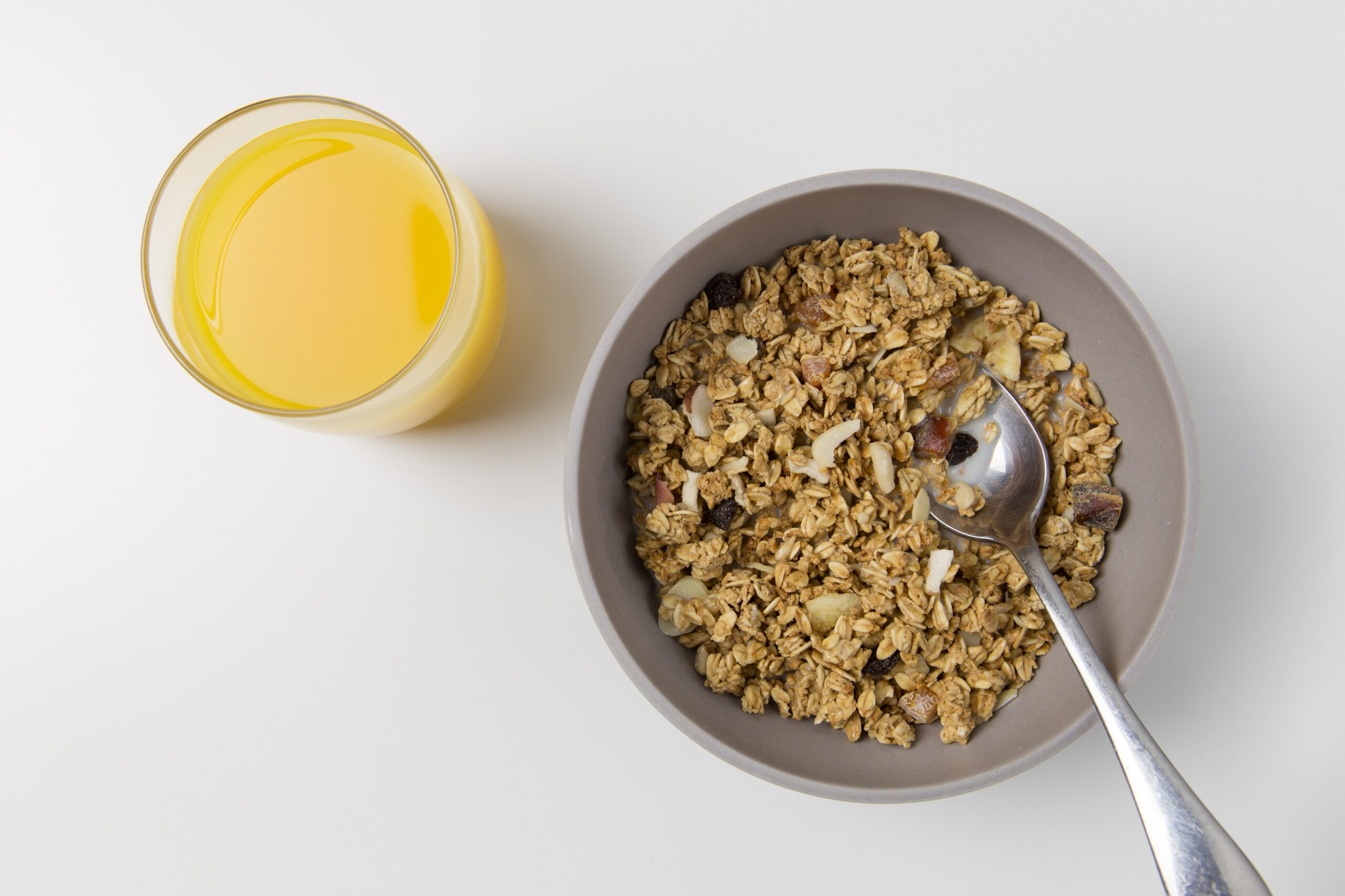
- For breakfast, try some high-fiber cereal.
- Have plain yogurt with nuts, seeds, and fruit.
- Make soups that include vegetables and peas.
- Try a chili filled with different types of beans.
- Have a salad topped with some nuts or seeds.
- Try snacking on veggies such as carrots and broccoli with hummus as a dip.
Some Important Tips to Keep in Mind
When you are adding more fiber to your diet, you need to make sure you slowly increase your fiber intake over time, so you get used to eating more fiber and increase water along with the increase in fiber.
This way, it will ensure a smooth transition to getting better digestion and a healthier gut.
Wrapping up
There is no better time than today to start getting your fiber in. Changing your diet for the better can indeed be challenging. But if you make sure you get the correct amounts of fiber in your diet, it will significantly change your life and better your health.
It is important to note and remember that if you continue to experience these problems long after increasing your fiber intake, you should consult a doctor.
Related articles
Metabolism Boosting Foods That Actually Work (And Ones to Skip)
Your body burns calories all day long, even when you are doing nothing more exciting than scrolling on your phone. That calorie burn is your metabolism at work. Genetics play a role in how fast or slow your metabolism works, but what you eat plays a role too, and so does how you sleep, move, […]

Period Cravings: Why Your Body Wants All the Snacks (And What Actually Helps)
If you have ever stood in front of the fridge a few days before your period, completely convinced that only a block of cheese and a chocolate bar could fix your mood, you already know what period cravings feel like. One week you eat a salad without a second thought. The next week you would […]

Food Cravings Meaning: What Your Body Is Really Trying to Tell You
Food craving refers to that sudden pull toward one specific food, and it can feel almost impossible to ignore until you give in. Here’s the interesting part. Your cravings are not random. They often carry a message about what’s going on inside your body or your mind. Learning the meaning behind your urges can help […]
Subscribe to our newsletter!
Curious to know what your number two says about your health? Get juicy info and top-notch advice on tummy health, boosted colon tips, and more by joining the wondrous world of ColonBroom newsletters.
By providing your email address, you agree with the T&Cs and Privacy Policy



Take a quiz and get your personalised solution.