
How to Stop Feeling Hungry Between Meals



Leading a healthy lifestyle has its ups and downs. The ups are pretty obvious, while the downs are rarely spoken about, leaving us full of unanswered questions.
One of the most likely by-products of healthy living is feeling a tummy-wrenching hunger between meals. And it doesn’t only apply to dieters: even when following a usual diet, we still fall into a snack-craving loop!
Snacking spikes up your blood sugar, allows some excess weight to stick to your body if not done in moderation, and generally leaves you feeling heavy. What can be done to stop the hunger attacks between the three main meals: breakfast, lunch, and dinner?
#1: Eat More Protein and Healthy Fats
It’s a no-brainer that all foods curb your appetite differently. Some foods are more filling, and some fuel you up just enough to check out the fridge right after.
The hunger-inducing foods mainly include carbohydrates. A quick solution is replacing them with protein and healthy fats as they’re more effective at keeping the appetite suppressed for a more extended period.
Opt for these protein-rich foods:
- Beans
- Eggs
- Greek yogurt
- Lean meat
- Soy products
And products containing healthy fats:
- Avocado
- Nuts
- Olive oil
- Seeds
#2: Increase Your Fiber Intake
Fiber is a bulk-forming nutrient, which means feelings of fullness for more significant periods! Research shows that fiber is an effective appetite suppressant. What’s more, it also works wonders with weight management.
Say “goodbye” to bloating and constipation and “hello” to boost energy levels and regular bathroom visits. No more hunger attacks. Easily dropped weight. There’s no reason for anyone to sleep on it, basically.
Here are some fiber-rich products:
- Fresh fruits (berries, apples) and dried fruits
- Vegetables (avocados, potatoes, broccoli)
- Nuts (chia seeds, almonds, pistachios)
- Whole grains (oat bran, quinoa)
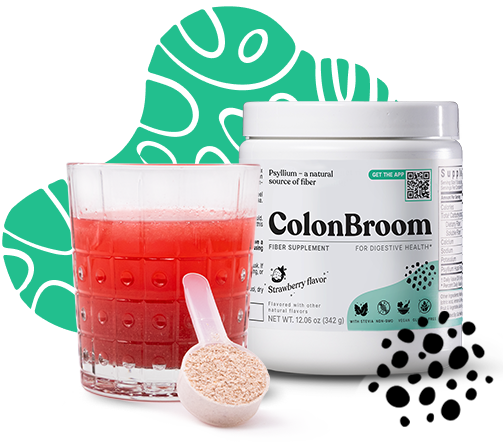
- Or take a shortcut that’s just as effective: ColonBroom, a fiber supplement that tastes like strawberry lollipops. Win-win!
#3: Drink More Water
Even better, drink a tall glass of water before every meal! It takes a while till our body gets a final signal that we’re no longer hungry. However, when you start your meal with a glass of water, it fast-forwards the feeling of fullness.
Overall, hunger between meals is often a mind trick our brain pulls on us: it’s often a sign of dehydration rather than hunger. Our body is trying to find a source of water in different products, resulting in a hunger attack. Getting rehydrated can cure your cravings in no time!
Also, getting used to drinking water before every meal is totally worth it: research shows that it helps lose weight.
#4: Eat Mindfully
The appetite seems unlimited when a scrumptious bagel has just landed on your table. The need for dessert and snacks kicks in even when we’re not finished eating our first meal.
Try to be more mindful when eating. Ditch the phone scrolling and the TV, and try to really feel your food’s taste palette and texture. Try your best to notice the moment when you’re no longer hungry, yet you continue to eat.
If you catch yourself still eating after you’re no longer hungry, set your meal aside and wait for a little while to see if you still want to finish your plate and order a second dish.
Mindful eating reduces binge eating and comfort eating, controlled by your brain and its psychological patterns rather than actual hunger.
The Bottom Line
Any kind of eating, if suppressed, is likely to lead to hunger. Taking a few steps ahead to control your appetite will help you not overeat and maintain your desired weight.
Use this article as a cheat sheet to help you reduce hunger between meals. Letting go of snacking is easier than you think!
Related articles
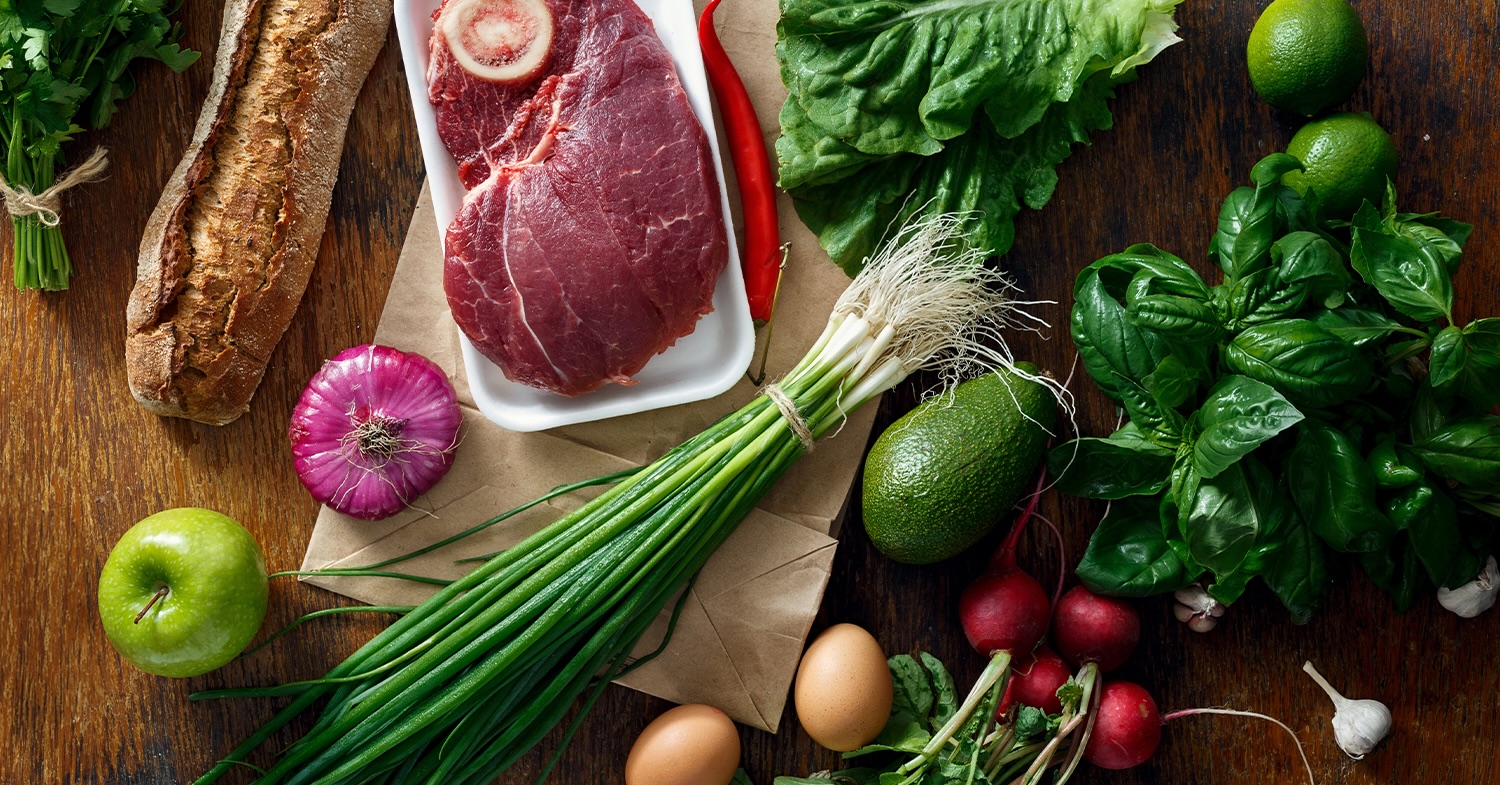
Metabolism Boosting Foods That Actually Work (And Ones to Skip)
Your body burns calories all day long, even when you are doing nothing more exciting than scrolling on your phone. That calorie burn is your metabolism at work. Genetics play a role in how fast or slow your metabolism works, but what you eat plays a role too, and so does how you sleep, move, […]

Period Cravings: Why Your Body Wants All the Snacks (And What Actually Helps)
If you have ever stood in front of the fridge a few days before your period, completely convinced that only a block of cheese and a chocolate bar could fix your mood, you already know what period cravings feel like. One week you eat a salad without a second thought. The next week you would […]
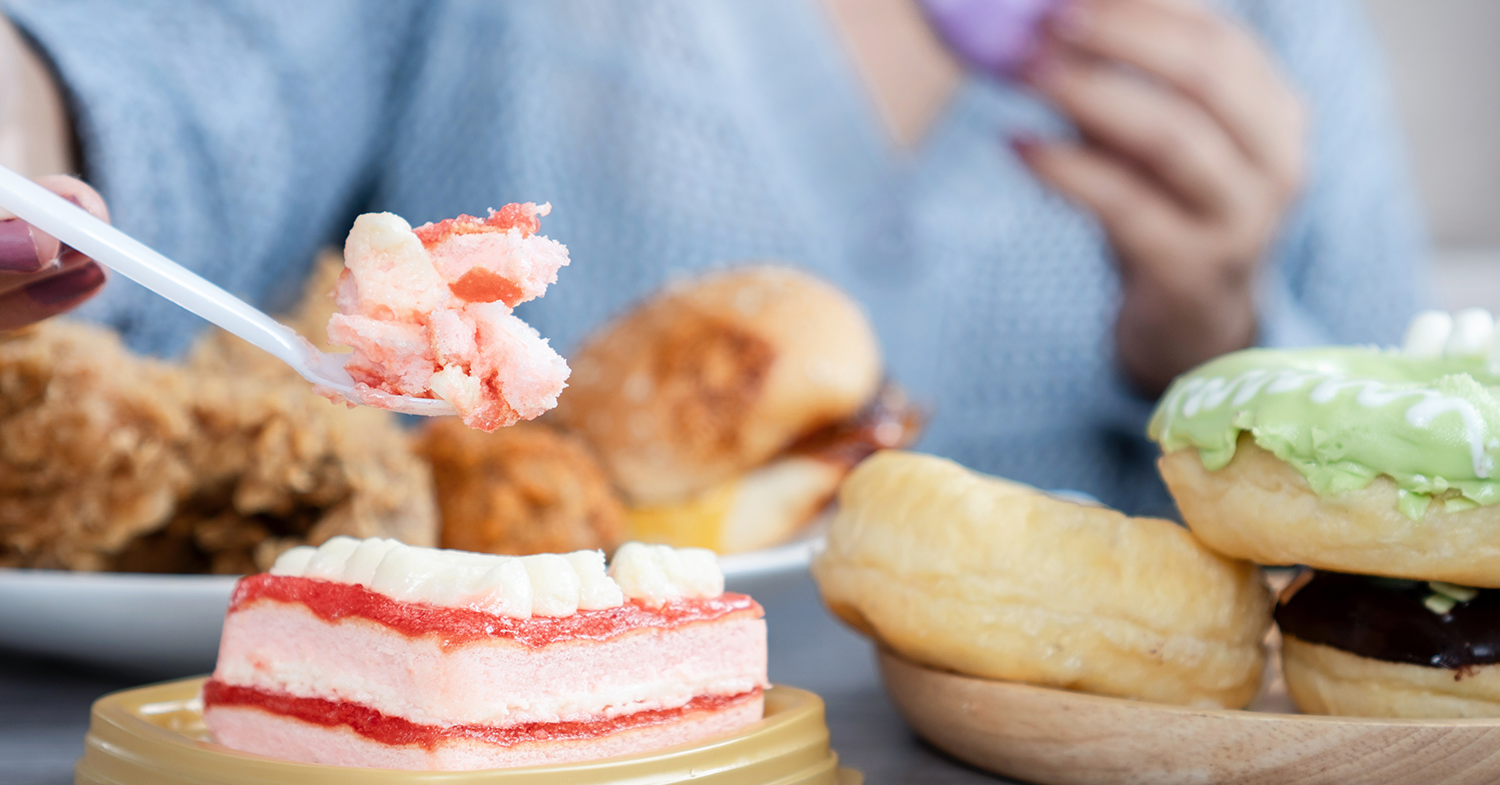
Food Cravings Meaning: What Your Body Is Really Trying to Tell You
Food craving refers to that sudden pull toward one specific food, and it can feel almost impossible to ignore until you give in. Here’s the interesting part. Your cravings are not random. They often carry a message about what’s going on inside your body or your mind. Learning the meaning behind your urges can help […]
Subscribe to our newsletter!
Curious to know what your number two says about your health? Get juicy info and top-notch advice on tummy health, boosted colon tips, and more by joining the wondrous world of ColonBroom newsletters.
By providing your email address, you agree with the T&Cs and Privacy Policy



Take a quiz and get your personalised solution.