
Why Are You Constipated?


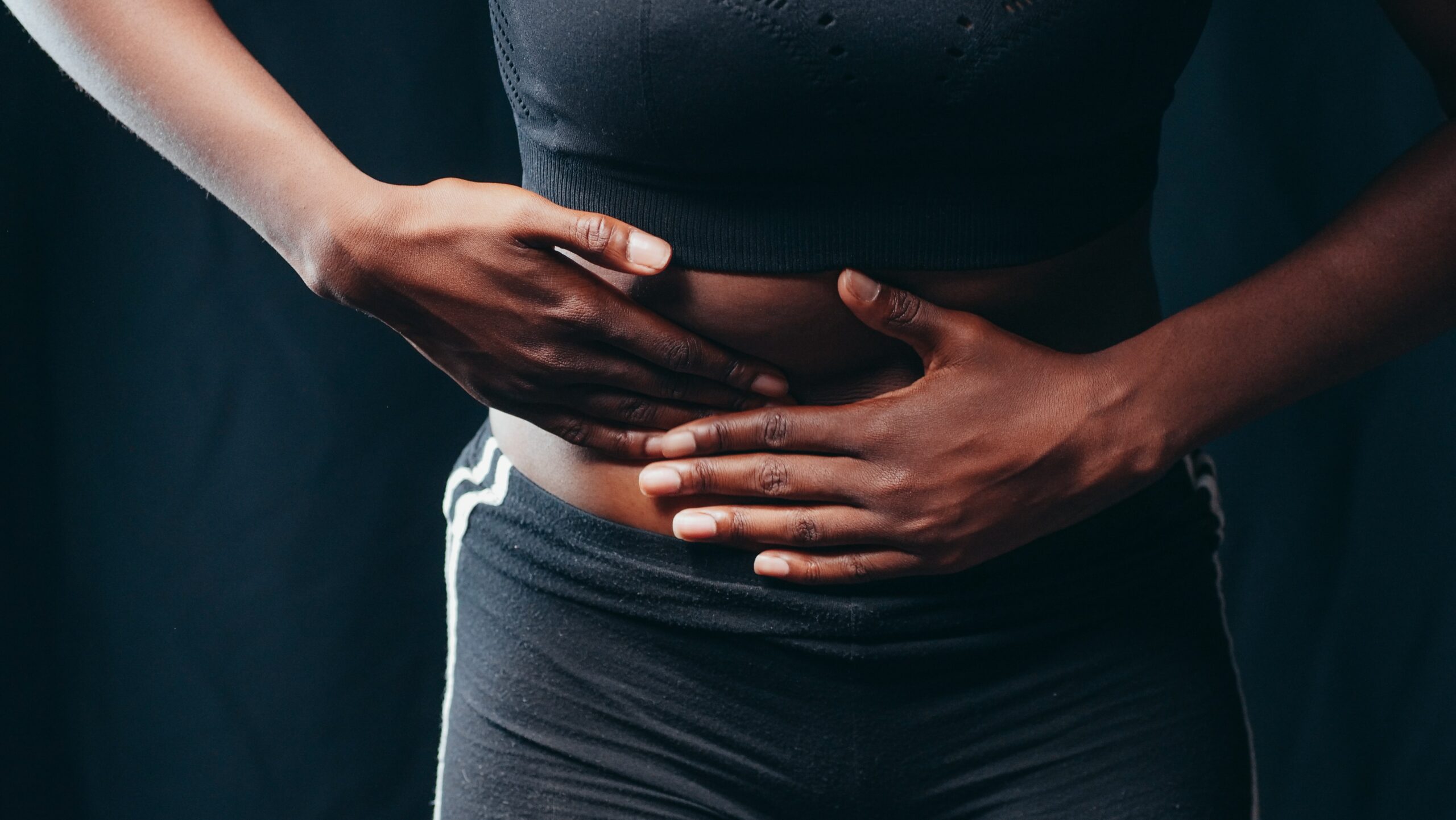
Being constipated is no fun. Carrying around a rock in your gut will quickly ruin your good time, your good mood, and your otherwise good health.
The good news is that constipation can often be managed and sorted out without having to visit a doctor. Though, in extreme cases, please seek medical help. In order to fix our clogged plumbing, we first determine why we are constipated, or better yet, what is causing the backup in the first place.
Below are the most common causes (or culprits) of constipation:
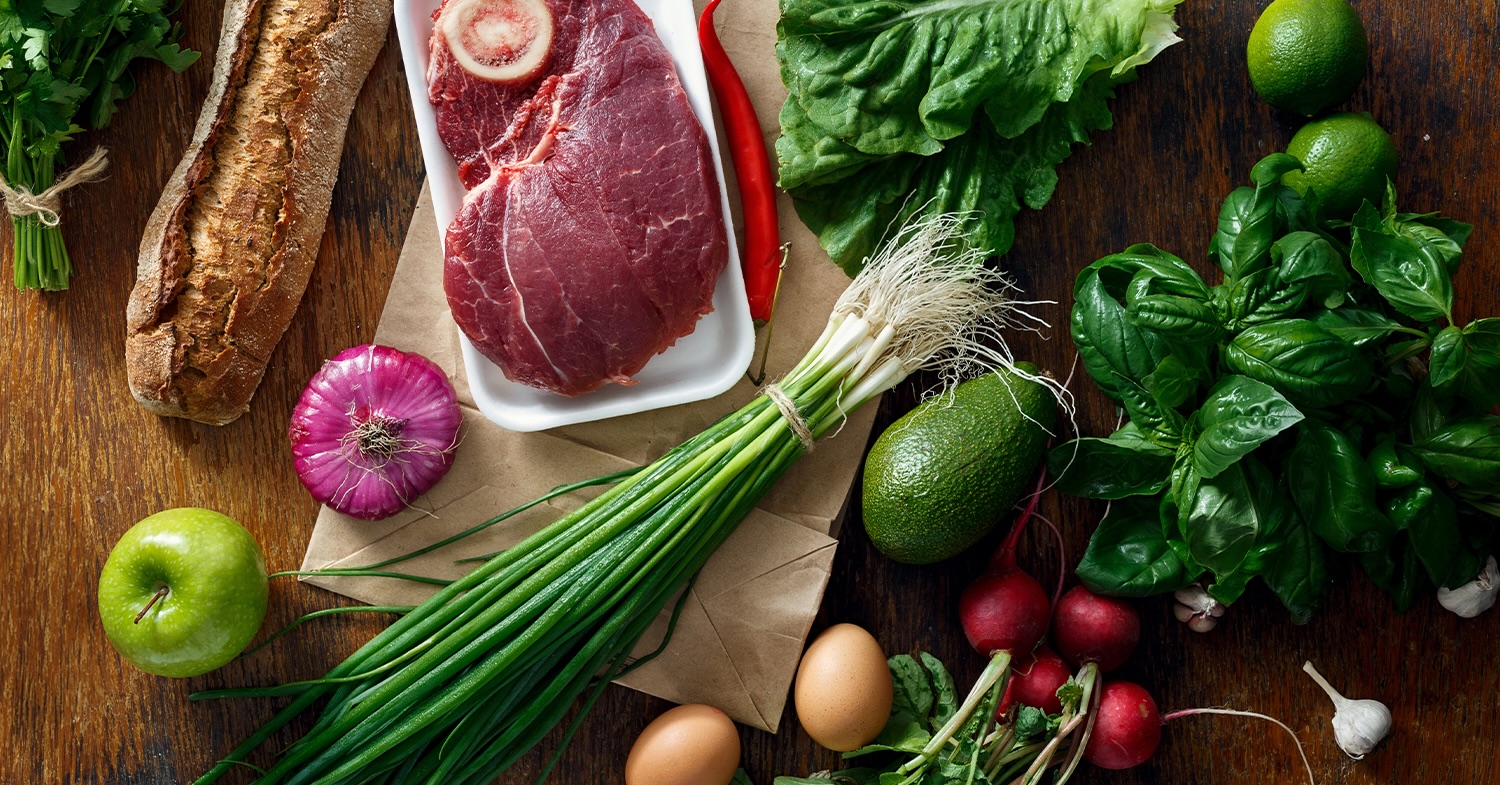
You’re Eating All the Wrong Stuff
What you eat is what you poop. That may sound obvious, but the foods you choose to eat and the drinks you consume will have a direct impact on digestive efficiency.
There are foods and drinks that you should avoid if you desire to keep things moving. These include:
- Milk and dairy products (cheese)
- Red meat (meats high in fat)
- Processed and refined grains (white bread, rice, pasta)
- Fast or fried foods (processed foods high in fat and salt)
- Alcohol (encourages fluids loss)
- Gluten-rich foods (gluten intolerance and celiacs disease are linked to constipation)
Instead, replace these foods with selections that are low in fat and high in fiber.
Fiber is easily digested or broken down by the gut and is left, more or less, intact as it moves through the bowels. Think of it as a sponge moving through your intestines, gaining more bulk as it goes along, pushing everything in the right direction.
Foods high in fiber are most fruits and veggies, whole grains, legumes, nuts, just to name a few.
The Clogging Effects of Medication
Many medications, dietary supplements, and antacids come with the unintended side effect of constipation. Painkillers are the biggest offender of prolonged constipation.
If you are having a difficult time going, perhaps the medications you are taking are the root cause. Read the information pamphlet that comes with your prescriptions, if constipation is listed as a possible side effect, you likely found the issue.
Talk to your doctor to see if there are any substitute medications or supplements you can switch to in order to alleviate the blockage.
Going on Time
Regularity has a lot to do with regularity. Having a sit-down schedule helps keep everything running smoothly, like clockwork. Suppressing the urge to go and putting off a trip to the bathroom can lead to something aching to a backup.
Ignoring your body’s warning signs and disrupting your natural rhythm over time, can lead to you becoming desensitized to your bodily urges, thus reducing the number of times you go leading to constipation.
Congrats! You’re Pregnant!
With pregnancy comes constipation. Not always, but it’s very likely.
Think about it, a baby takes up a lot of space, and as the child grows, it will push up against the intestines making it more difficult to pass movements. Also, over the course of pregnancy, your abdominal muscles become a tad weaker and sluggish – this also has a negative effect on pushing stool through the digestive tract.
Dehydration = Constipation
Water is the body’s lubricant. Like oil in a car engine, water is used to lubricate joints, in between muscles and organs, and the walls of your intestines. The less water you drink, the less lubricating fluid is present in the body.
By drinking another two to four glasses of water a day (on top of what you already drink), you may be able to get that stubborn stool sliding along again. Avoid caffeinated alcoholic drinks as these encourage fluid loss.
You Move, Your Bowels Move
Lifestyle plays a huge role in regularity. One of the best things you can do when constipation hits is to move your body. Physical activity is one of the most effective lifestyle hacks for loosening your bowels and keeping yourself regular.
So get up, up off the couch, and start moving. Though it may be tough and you may not want to move at all, it’s much better for your body.
Wrapping Up
Unfortunately, constipation is a very common problem that can affect anyone. We have been known to feel embarrassed when suffering from it, but we all have to remember and understand that there is nothing abnormal about it. And that there are many possible solutions to this problem. So try your best to do all that is needed to feel better and to improve your health.
Related articles
Metabolism Boosting Foods That Actually Work (And Ones to Skip)
Your body burns calories all day long, even when you are doing nothing more exciting than scrolling on your phone. That calorie burn is your metabolism at work. Genetics play a role in how fast or slow your metabolism works, but what you eat plays a role too, and so does how you sleep, move, […]

Period Cravings: Why Your Body Wants All the Snacks (And What Actually Helps)
If you have ever stood in front of the fridge a few days before your period, completely convinced that only a block of cheese and a chocolate bar could fix your mood, you already know what period cravings feel like. One week you eat a salad without a second thought. The next week you would […]
Food Cravings Meaning: What Your Body Is Really Trying to Tell You
Food craving refers to that sudden pull toward one specific food, and it can feel almost impossible to ignore until you give in. Here’s the interesting part. Your cravings are not random. They often carry a message about what’s going on inside your body or your mind. Learning the meaning behind your urges can help […]
Subscribe to our newsletter!
Curious to know what your number two says about your health? Get juicy info and top-notch advice on tummy health, boosted colon tips, and more by joining the wondrous world of ColonBroom newsletters.
By providing your email address, you agree with the T&Cs and Privacy Policy



Take a quiz and get your personalised solution.