
Food Cravings Meaning: What Your Body Is Really Trying to Tell You



Contents
Food craving refers to that sudden pull toward one specific food, and it can feel almost impossible to ignore until you give in.
Here’s the interesting part. Your cravings are not random. They often carry a message about what’s going on inside your body or your mind. Learning the meaning behind your urges can help you respond with more understanding and a lot less guilt.
This guide breaks down what cravings actually are, what different cravings might point to, and how you can bring them under control without feeling deprived.
What Does Craving Mean?
A craving is a strong, sudden desire for a specific type of food. It’s above regular hunger, and it’s picky. You do not just want food. You want that food, right now.
Oftentimes, something, either physical or emotional, is nudging you toward a particular flavor or texture. Sometimes the push comes from your stomach. Sometimes it comes from your mood. Sometimes it comes from a memory tied to a certain meal.
Food Cravings Meaning: What Your Body Might Be Telling You
Cravings show up for different reasons. Stress, poor sleep, dehydration, hormone shifts, and plain boredom can all trigger them. Your brain’s reward system plays a big role too. When you eat something pleasurable, your brain releases feel-good chemicals, and it remembers that feeling well. That memory is a big part of why the same cravings tend to return again and again.
Cravings can also connect to personality traits. People who tend toward stress eating or emotional comfort often notice stronger and more frequent cravings than people who eat mainly out of hunger. Neither group is doing anything wrong. It’s simply how different brains and bodies respond to daily pressure.
A popular idea says cravings and deficiencies typically go hand in hand, meaning if you crave a food, your body must be low on a nutrient found in it. This theory holds up in some cases, but most cravings actually point toward highly processed food rather than the nutrient-rich whole foods a true deficiency would call for.
A diet that’s consistently short on fiber can leave you feeling hungry more often and reaching for quick, less nutritious snacks throughout the day. If that sounds familiar, it may help to look at how everyday fiber gaps show up in ways beyond digestion, since low fiber intake affects mood, energy, and appetite too.
Your gut bacteria matter here as well. Certain gut bacteria thrive on sugar, and when they’re doing well, they can nudge you toward sweeter choices throughout the day. Other strains prefer fiber, and building a diet rich in fiber over time can help shift that balance in a healthier direction.
What Are the Three Types of Food Cravings?
Nutrition experts, including researchers at Ohio State Health & Discovery, often group cravings into three categories.
- Physical cravings come from your body’s real needs, like low blood sugar, dehydration, or a lack of sleep.
- Emotional cravings come from feelings like stress, sadness, or boredom, and they usually call for one very specific comfort food and nothing else.
- Habitual cravings come from routine, like always wanting popcorn during a movie or coffee first thing in the morning.
Most cravings are a blend of these three types. Knowing which one you’re dealing with can make it much easier to respond helpfully instead of giving in on autopilot.
Craving Protein Meaning: Why Am I Craving Meat?
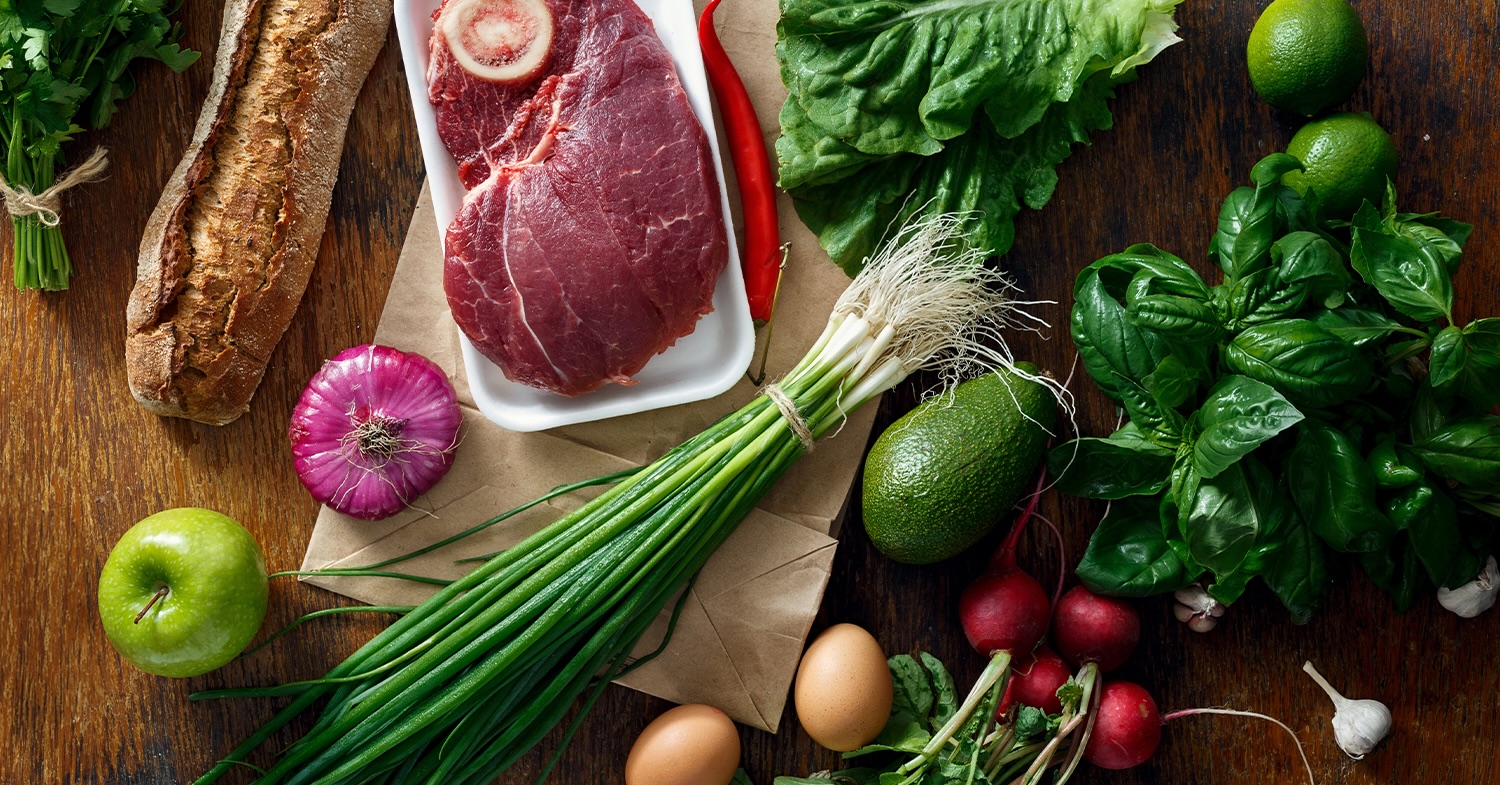
Craving protein usually points to your body wanting the amino acids that build and repair muscle, skin, and hair. If you’ve been skipping protein at meals, it’s common to feel pulled toward meat, eggs, or dairy later in the day.
So why are you craving meat specifically, and not just food in general? Meat is a dense, satisfying protein source, and it also carries a few key minerals your body may be short on right now.
Why Am I Craving Red Meat?
If burgers and steak are all you can think about, your body may be low on iron or zinc. Red meat contains heme iron, the form your body absorbs most easily, along with zinc for immune support and healing. This craving shows up often in people who menstruate, since regular blood loss can chip away at iron stores over time. Research into hormonal shifts during the menstrual cycle also shows cravings tend to shift and intensify in certain phases. A red meat craving is also common in people who train hard or follow a mostly plant-based diet without planning around iron and zinc.
Why Am I Craving Chicken?
Chicken is lean and protein-rich without the heavier fat content of red meat, so this craving often just means your body wants clean protein without a lot of extra calories along with it. It can also show up after a busy or active day, when your muscles need material to recover and rebuild.
Craving Fruit Meaning: What Your Sweet Tooth Is Saying
Because fruit is naturally sweet, wanting it can be your body asking for quick energy along with real vitamins, minerals, and fiber. This craving often shows up after exercise, when blood sugar dips, or on a warm day when your body wants something light and refreshing.
Unlike candy or baked goods, fruit comes packaged with fiber that slows down how fast sugar hits your bloodstream. That’s part of why this is one craving that’s usually fine to follow without much second-guessing.
Craving Avocado Meaning and Other Healthy Fat Cravings
Craving avocado often ties back to a need for healthy fats. Avocados are rich in monounsaturated fat, potassium, and fiber, so a strong pull toward them can mean your body wants steadier energy or help absorbing fat-soluble vitamins like A, D, E, and K.
This craving shows up a lot in people who cut fat from their diet too aggressively, and in people trying to raise their intake of healthy fats for hormone balance. On the flip side, a craving for fried foods can point to a different kind of fat shortage. Fried foods deliver plenty of fat, just not the useful kind your body actually needs, so the craving can linger even after you eat a full plate of them.
Why Am I Craving Vegetables?
People don’t crave vegetables nearly as often as they should. When it happens, it often signals your body wants fiber, water content, or specific vitamins and minerals that vegetables are loaded with. It can also mean your gut is asking for the fuel that keeps digestion moving at a steady, comfortable pace.
If you’ve been craving vegetables lately, take that as a good sign and follow it without much hesitation.
Sweet and Salty Foods: Why You Crave Both
Popcorn with a touch of sugar, or chocolate-covered pretzels, tend to hit differently than either flavor on its own. Sweet and salty foods together trigger a bigger response in your brain’s reward center than either taste alone, and food brands rely on that combination constantly in snack aisles everywhere.
Craving both at once can simply mean your taste buds want variety. It can also point to your body juggling two needs at the same time, like low blood sugar paired with low sodium after a long, sweaty day.
Craving Chocolate? Here’s the Real Reason
Dark chocolate carries a decent amount of magnesium, a mineral involved in hundreds of body functions, including mood, muscle relaxation, and sleep quality. A shortage of magnesium can bring on stronger sugar and chocolate cravings, along with restlessness or muscle tension. If chocolate calls to you often, reaching for dark chocolate with a high cacao percentage satisfies the craving while giving your body more of the mineral it may actually be short on.
Craving Salty Chips and Snacks?
A pull toward salty snacks, and salty chips in particular, often comes down to electrolytes. Sweating from exercise, hot weather, or ongoing stress can leave your sodium levels lower than usual, and your body responds by asking for salt directly.
Salt cravings can also point to low stomach acid, particularly if you find yourself reaching for citrus- or vinegar-based foods too. Weak stomach acid makes digestion less efficient, and that sometimes shows up as a craving for acidic foods that help kickstart the digestive process. When life feels overwhelming, salty and crunchy comfort foods give your jaw a physical outlet for built-up tension, which explains why stress and salt cravings so often show up together.
High-calorie foods in general, sweet or savory foods alike, tend to spike during periods of stress, poor sleep, or dieting too strictly. Your body isn’t being dramatic about it. It’s simply trying to get enough fuel and comfort in the fastest way it knows how.
How to Reduce Cravings Naturally
Here are a few small habits that can genuinely help reduce cravings over time:
- Eat regular meals with enough protein, fiber, and healthy fat, so your blood sugar stays steady through the day. Skipping meals almost always backfires later with a stronger craving.
- Drink enough water throughout the day, since thirst often gets mistaken for hunger or a specific craving.
- Protect your sleep, because short or poor quality sleep raises the hormone that drives hunger and lowers the one that signals fullness.
- Manage stress in ways that don’t involve food, like a short walk, music, or a call with a friend.
If cravings tend to hit hardest between meals, it can help to look at why you feel hungry so often between meals and what actually helps, since meal timing plays a bigger role in cravings than most people realize.
Cravings are not a sign of weak willpower. They’re information. The more you learn to read what your body and mind are actually asking for, the easier it becomes to make food choices that leave you feeling good, not just full for a moment.
Frequently Asked Questions
What do food cravings indicate?
Food cravings can point to a physical need, like low blood sugar, dehydration, or a shortage of a specific nutrient. They can also point to an emotional need, like stress, boredom, or a memory tied to a certain food. Understanding the meaning of food cravings in your own life takes a bit of noticing your own patterns over time.
What are the three types of cravings?
The three types are physical, emotional, and habitual. Physical cravings come from real bodily needs. Emotional cravings come from feelings. Habitual cravings come from routine and repeated behavior around food.
Why am I craving food so much?
Frequent, intense cravings usually come from a mix of causes, like poor sleep, high stress, skipped meals, or a diet low in protein and fiber. Hormonal shifts around your cycle can raise cravings too. If cravings feel constant, look first at sleep, meal timing, and stress levels before assuming something more serious is going on.
When should I worry about cravings?
Occasional cravings are completely normal and nothing to worry about. It’s worth checking in with a doctor if cravings show up alongside symptoms like extreme fatigue, hair loss, dizziness, or a pull toward non-food items like ice, chalk, or dirt, since these can point to a real nutrient deficiency that needs proper testing and treatment.
Related articles
Metabolism Boosting Foods That Actually Work (And Ones to Skip)
Your body burns calories all day long, even when you are doing nothing more exciting than scrolling on your phone. That calorie burn is your metabolism at work. Genetics play a role in how fast or slow your metabolism works, but what you eat plays a role too, and so does how you sleep, move, […]

Period Cravings: Why Your Body Wants All the Snacks (And What Actually Helps)
If you have ever stood in front of the fridge a few days before your period, completely convinced that only a block of cheese and a chocolate bar could fix your mood, you already know what period cravings feel like. One week you eat a salad without a second thought. The next week you would […]

Why Am I Always Hungry? Potential Reasons You Can’t Stop Eating
If you find yourself typing why am I always hungry into Google at 11 pm, you are not broken, and you are not alone. Hunger is a lot more complicated than most people know. It is run by hormones, sleep, stress, and even drinking habits. Below, we break down the reasons you cannot stop thinking […]
Subscribe to our newsletter!
Curious to know what your number two says about your health? Get juicy info and top-notch advice on tummy health, boosted colon tips, and more by joining the wondrous world of ColonBroom newsletters.
By providing your email address, you agree with the T&Cs and Privacy Policy



Take a quiz and get your personalised solution.