Blog

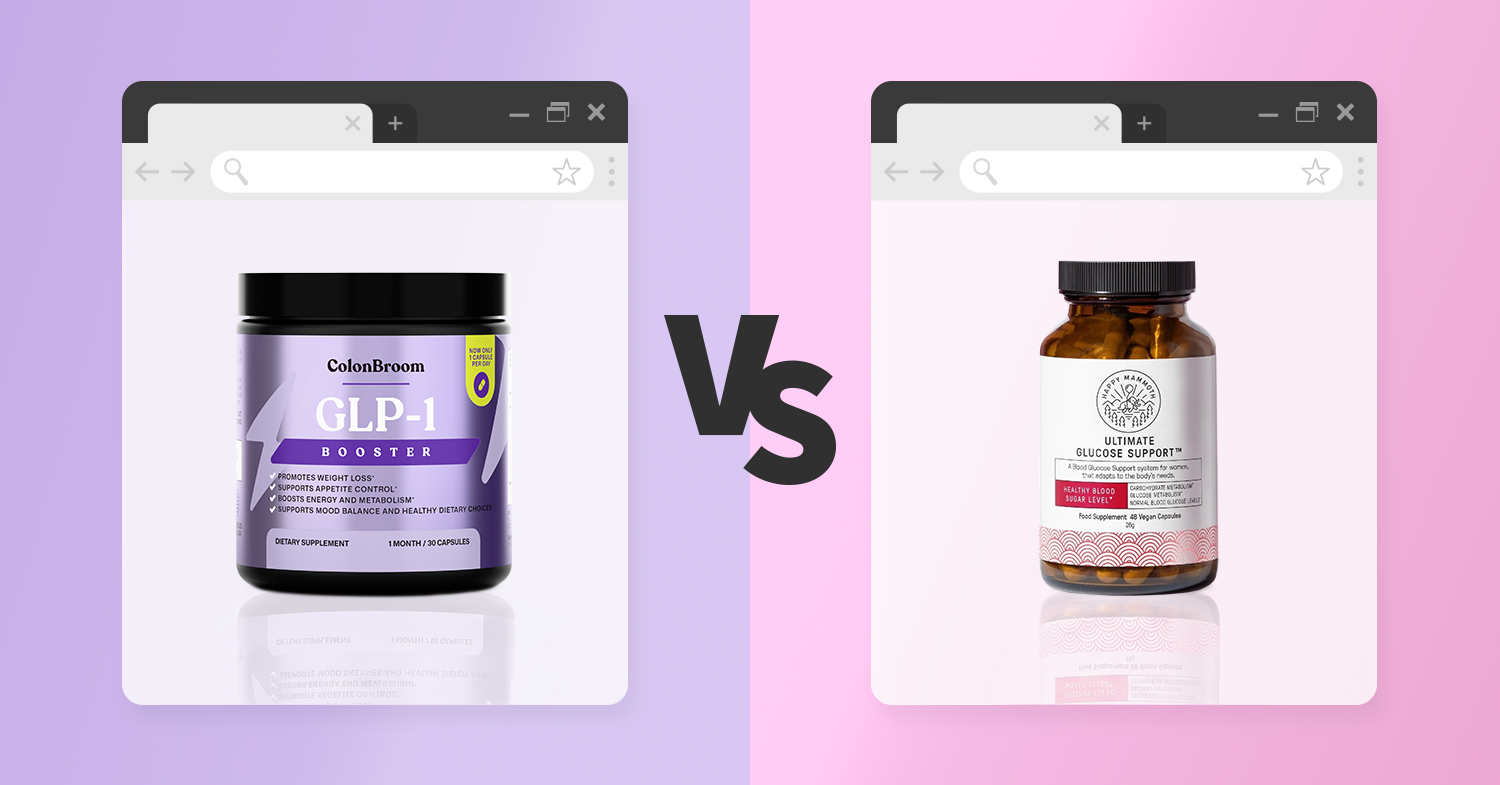
Bioma and ColonBroom GLP-1 Booster both promise to support your body’s natural GLP-1 activity without prescriptions or injections. But once you look beyond the marketing, the similarities start to fade. Here’s how the two supplements compare when it comes to ingredients, effectiveness, and overall value.

Bioma and ColonBroom GLP-1 promise to support your body’s own GLP-1 hormone without a prescription, a needle, or the price tag that comes with drugs like Ozempic. How true is this?

This guide covers the ingredients in each formula, how each one is supposed to work inside your body, what customers say after using them, and which option fits most people better.

What Is a GLP 1 Booster, and Why Does It Matter?

GLP-1 stands for glucagon-like peptide-1. It is a hormone your gut releases every time you eat, and it handles a few jobs at once. It tells your pancreas to release more insulin, it slows down how fast food leaves your stomach, and it sends a signal to your brain that you are full. Research on GLP-1 shows it plays a direct role in regulating appetite and food intake in humans, alongside its effect on blood sugar.

A prescription GLP-1 drug like Ozempic works by copying this hormone in a lab and injecting a much stronger version into your body. A GLP-1 booster, on the other hand, is a supplement built from plant extracts, minerals, or gut bacteria that are meant to support your own natural GLP-1 output instead of replacing it. These supplements gently push toward better appetite control, steadier blood sugar, and fewer energy crashes.

Meet the Two Contenders: ColonBroom GLP-1 and Bioma

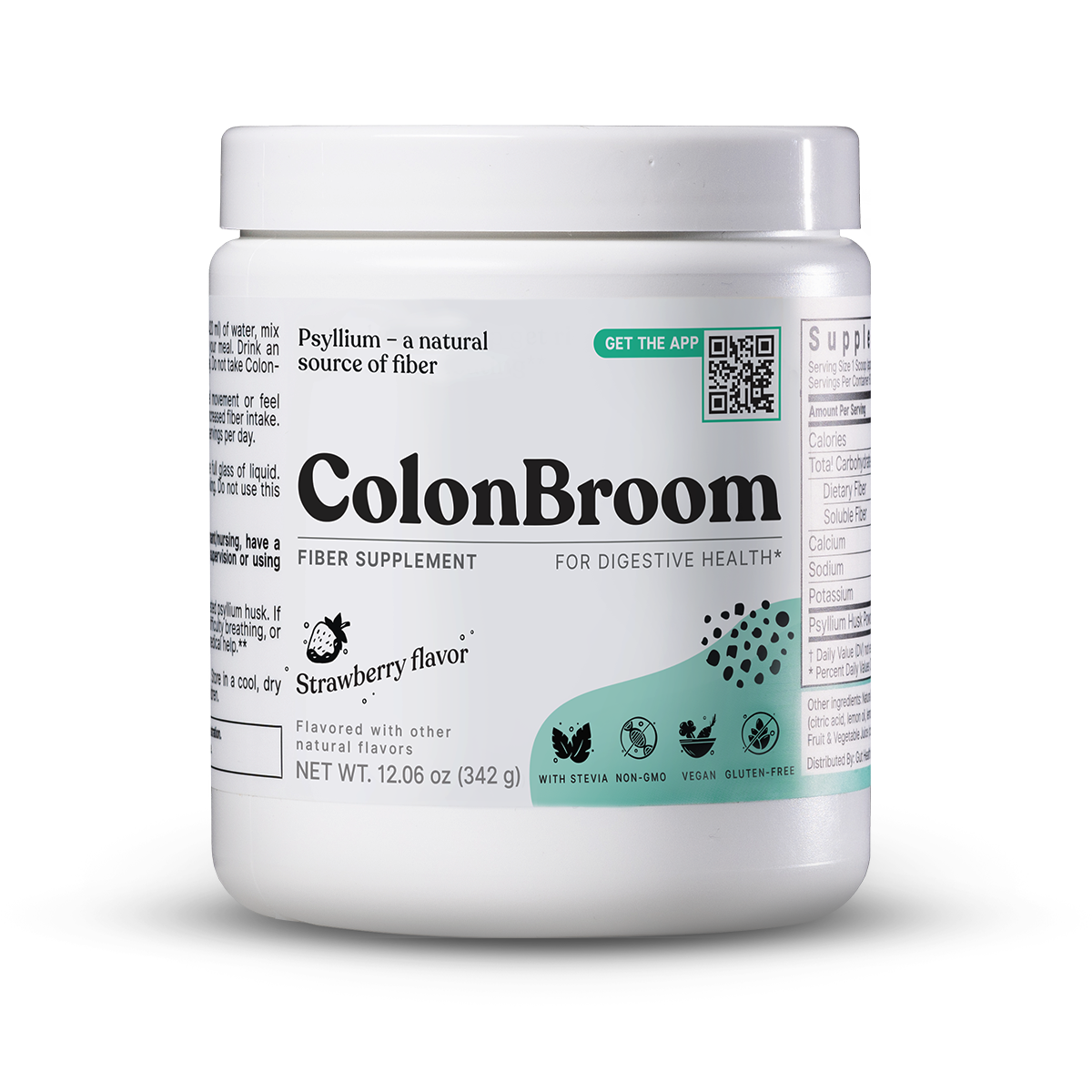
ColonBroom GLP-1 Booster is a capsule formula built to offer metabolic and mood support. Bioma is a probiotic brand, and its GLP-1 Booster relies entirely on gut bacteria, prebiotic fiber, and postbiotic compounds to do the work.

Both products are sold as capsules you take daily, both do not have stimulants like caffeine, and both are pitched at people who want appetite support without a prescription. That’s about all the similarities between the two supplements. Once you look at the ingredient labels, the two formulas barely resemble each other.

ColonBroom GLP-1 Booster Ingredients Explained

The Colonbroom GLP-1 formula combines several ingredients that support overall metabolic health and wellness. Indian barberry (Berberis aristata) provides a natural source of berberine, a plant compound widely used in supplements designed to support healthy blood sugar levels and glucose metabolism.

It also includes Polygonum cuspidatum root extract, which supplies resveratrol, a well-known antioxidant linked to heart health, healthy aging, and overall cellular support. Another plant-based antioxidant in the formula is quercetin, valued for its ability to help the body manage everyday stress and support overall well-being.

To round out the blend, the formula contains zinc, an essential mineral involved in many important functions throughout the body, including immune support, metabolism, and maintaining normal blood sugar function.

Bioma Ingredients Explained

Bioma ingredients center on a three-part system: probiotics, prebiotics, and postbiotics.

The probiotic side is a 15 billion CFU blend that includes two headline strains, HOWARU Shape B420 and Akkermansia muciniphila. HOWARU Shape B420 has a published trial linking it to changes in waist size and body fat in overweight adults. Akkermansia muciniphila has drawn scientific interest for its role in gut barrier health and insulin sensitivity, and early research ties it to the release of GLP-1 through a protein pathway called P9.

On the prebiotic side, Bioma includes a fiber compound meant to feed those bacteria, and on the postbiotic side, it adds an ingredient branded Tribiome, which is marketed as a direct trigger for GLP-1 secretion. 

One thing to note is that several reviewers who read Bioma’s label closely point out that Akkermansia muciniphila is included at only 10 milligrams, a small amount given how heavily it features in the brand’s marketing.

How ColonBroom Targets Appetite From Several Angles

ColonBroom’s pitch is that hunger is not a single switch you can flip. It is metabolic, it is emotional, and it is chemical, so the formula tries to hit all three.

Berberine works on the metabolic side by helping support healthy blood sugar levels and glucose metabolism. The formula also includes antioxidant-rich ingredients such as resveratrol and quercetin, which support overall metabolic function and help protect cells from everyday oxidative stress. Zinc adds another layer of support by contributing to normal metabolism and healthy blood sugar regulation.


This combination is designed to support metabolic health from multiple angles rather than relying on a single ingredient. While berberine is the centerpiece of the formula, the added antioxidants and essential minerals provide complementary support, creating a more well-rounded approach to everyday wellness.

How Bioma Works Through Your Gut Microbiome

Bioma’s entire case rests on the idea that your gut bacteria, not your willpower, control a lot of your appetite signaling. Certain bacterial strains produce short-chain fatty acids when they ferment fiber, and those fatty acids can trigger gut cells to release more GLP-1 on their own.

The catch is that the effect size in actual human weight loss studies is small and inconsistent, and no clinical trial has tested Bioma’s finished capsule as a complete product. The research so far applies to individual strains studied on their own, not to the exact blend and dose sold in the bottle.

Glucose Metabolism and Blood Sugar in Both Formulas

Both products aim at blood sugar stability, just from different directions.

ColonBroom relies on berberine, ingredient with a research base tied to glucose metabolism and insulin response.

Bioma approaches blood sugar indirectly through gut bacteria that influence how your body processes carbohydrates and stores fat.

Neither path is a substitute for medication if you have diagnosed insulin resistance or diabetes, and anyone managing blood sugar with prescription drugs should talk to a doctor before adding either supplement to their routine.

Bioma Reviews: What Real Customers Are Saying

Bioma reviews are mixed. Some customers report steadier digestion and fewer cravings after a few weeks. Others describe underwhelming results, including one detailed reviewer who finished nearly a full bottle without noticing reduced appetite, less snacking, or any weight change, and who felt more bloated instead.

ColonBroom GLP-1 Reviews: What Real Customers Are Saying

ColonBroom’s GLP-1 Booster has several reviews, with customers frequently mentioning reduced hunger within the first couple of weeks and fewer late-night snacking urges. 

Third-party write-ups tend to agree that the booster delivers on its promises, while still cautioning that it will not match what a prescription drug can do.

Side Effects and Safety Notes for Both Supplements

Gut-related side effects are the most commonly reported issue for both products. ColonBroom GLP-1 can cause temporary bloating or looser stools while your body adjusts, and berberine specifically needs a doctor’s input if you already take blood sugar medication.

Bioma’s probiotic blend can also cause early bloating as your gut bacteria shift, and its stimulant-free profile makes it a reasonable pick if you are sensitive to caffeine-based fat burners.

Neither product is a stand-in for a prescription medication, and pregnant or breastfeeding people, along with anyone managing a chronic condition, should check with a doctor before starting either one.

Bioma vs ColonBroom GLP-1: The Head-to-Head Verdict

Bioma vs ColonBroom GLP-1 really comes down to mechanism and track record. Bioma bets everything on gut bacteria and hormone signaling, using plant-based ingredients in its prebiotic fiber alongside its live cultures.

ColonBroom spreads its bets across appetite control, blood sugar support, and mood. That spread means more ways to produce a noticeable effect even if one ingredient underperforms for you personally.

Both brands are non-GMO, and both do not use stimulants, but ColonBroom’s layered formula and longer track record in the gut health space give it the edge for most people who want a simpler starting point.

Which One Should You Actually Choose?

If your main goal is steadier blood sugar, fewer cravings, and a fuller feeling at meals without juggling several new supplements, ColonBroom GLP-1 Booster is the more straightforward pick, particularly if you already know you respond well to fiber.

If you are specifically drawn to the gut microbiome angle and want to build a longer-term probiotic routine, Bioma is worth a look. Just go in with realistic expectations about the size of the effect.

Either way, read the label, start with one bottle before committing to a subscription, and loop in your doctor if you take medication for blood sugar or any chronic condition.

Frequently Asked Questions

Which is better, ColonBroom or Bioma?

For most people, ColonBroom is the easier starting point because its formula works through several pathways at once: appetite control, blood sugar support, and mood, rather than relying on gut bacteria alone. 

What’s the difference between ColonBroom and Bioma?

ColonBroom is built around berberine, targeting appetite, blood sugar, and mood together. Bioma is a straight probiotic, prebiotic, and postbiotic blend that works almost entirely through gut bacteria and their effect on GLP-1 release. ColonBroom also has a longer history as a gut health brand, while Bioma launched with a narrower probiotic focus.

What’s the difference between ColonBroom and GLP-1?

ColonBroom is a brand that sells a supplement called the GLP-1 Booster. GLP-1 itself is a hormone your body makes naturally, and it is also the name of the prescription drug class that includes Ozempic and Wegovy. ColonBroom’s supplement does not contain any pharmaceutical GLP-1. It uses plant and mineral ingredients that are meant to support your own natural GLP-1 activity, which is a much smaller effect than an injectable drug.

Does Bioma actually work for weight loss?

The honest answer is that results vary a lot between users. The individual strains in Bioma’s formula, like Akkermansia muciniphila and HOWARU Shape B420, do have research behind them for gut health and body composition. But no published clinical trial has tested Bioma’s exact finished capsule, so the weight loss claims on the label go further than the current evidence supports. Some users report reduced cravings and better digestion, while others notice little to no change, so treat it as a supportive tool rather than a guaranteed weight loss solution.

Subscribe to our newsletter!

Curious to know what your number two says about your health? Get juicy info and top-notch advice on tummy health, boosted colon tips, and more by joining the wondrous world of ColonBroom newsletters.

By providing your email address, you agree with the T&Cs and Privacy Policy

Take a quiz and get your personalised solution.

Take a quiz